

This summer, I had the invaluable opportunity to do a research fellowship. Throughout the project, I had great chances to advance my quantitative and analytical toolkit. I learned how to extract, clean, and harmonize massive datasets. I also developed more knowledge in econometric techniques such as structuring panel data and running Difference-in-Differences regressions using R and Python. But most importantly, beyond these technical skills, this experience taught me the importance of resilience. As my first time undertaking a large-scale research project like this, the process appeared to be much more challenging than I initially anticipated. I believe that after pushing through these difficulties, I have strengthened my perseverance and become a stronger researcher. This is truly a transformative academic experience for me.
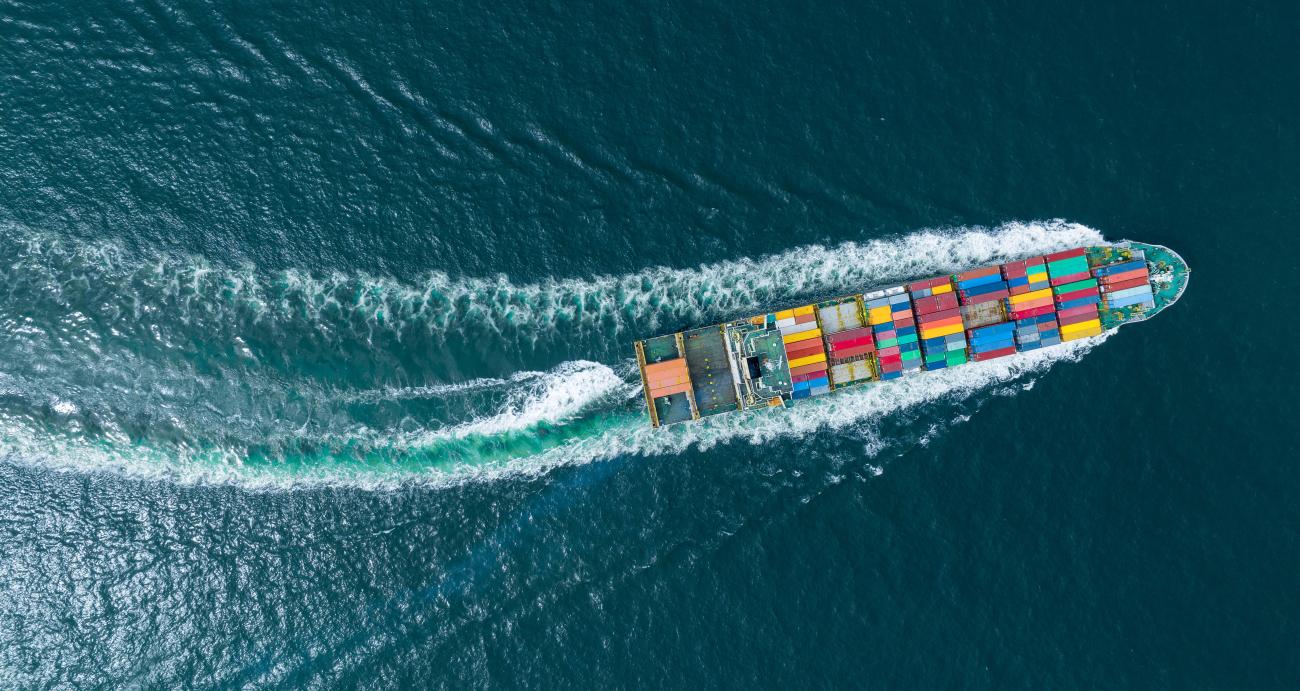
My research investigated the complex dynamics of global supply chain shifts, focusing on trade rerouting patterns in Southeast Asia following the 2025 U.S. tariff policies. By using highly disaggregated trade data from UN Comtrade, USITC, and national customs databases, I examine how targeted U.S. tariffs impact international trade patterns. The analysis contrasts trade flows between countries facing high tariffs and those subject to baseline rates, specifically examining product-level shifts within targeted industry sectors using Harmonized System (HS) codes. Furthermore, I closely investigate Vietnam and Thailand to compare how their bilateral trade dynamics with the U.S. and China have adapted to these policy shocks.
I want to extend my sincere gratitude to Professor Bansak. By continuously challenging and supporting me through this project's steepest learning curves, it helped me unlock many new skills and discover a greater sense of my own capabilities.