

Support
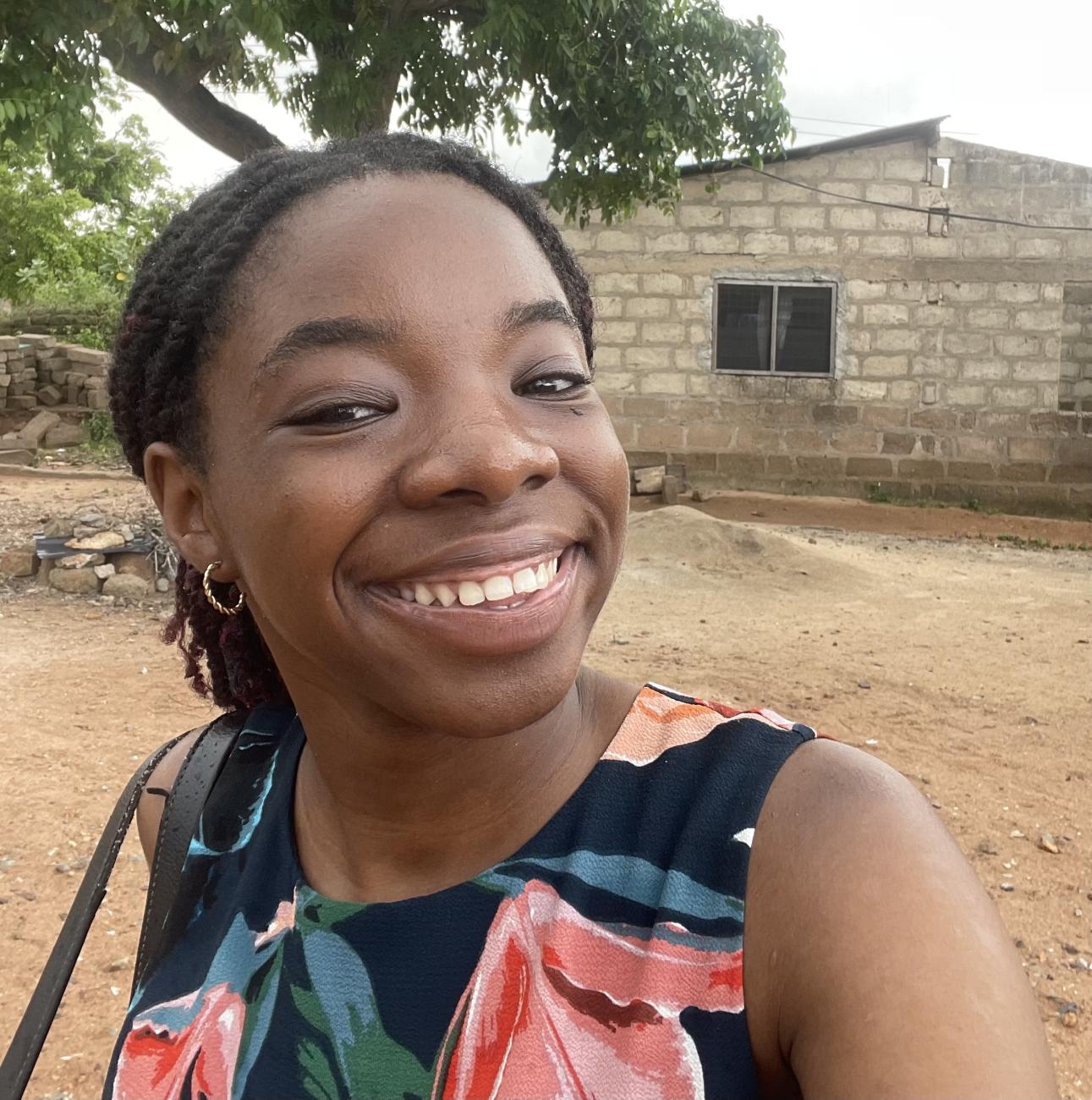
As part of my UFellow project, I travelled with my team to Accra, Ghana, conducting fieldwork in the Ga West, Tema, and Adenta districts. We explored how Ghana’s Livelihood Empowerment Against Poverty (LEAP) program, a cash transfer initiative targeting vulnerable households, influences women’s access to maternal and child healthcare, food security, and decision-making power.
Over five days, we conducted fourty five semi-structured interviews with women who were LEAP beneficiaries. The conversations revealed the program’s tangible impact: women described using their grants to cover antenatal visits, safer deliveries, child healthcare, and school essentials. One mother shared how LEAP sustained her household even when her husband was absent, saying that “hearing that the grant has been paid really put us in a positive spirit” during tough times.
We also learned about challenges: the grant amount is often insufficient to meet all needs, and limited program coverage fosters community tensions between beneficiaries and non-beneficiaries. Still, the program consistently emerged as a lifeline for healthcare access and household stability.
This experience deepened my understanding of the intersections between social protection and public health, sharpened my qualitative research skills, and reinforced my commitment to advocating for equitable health policies across Africa.