Support
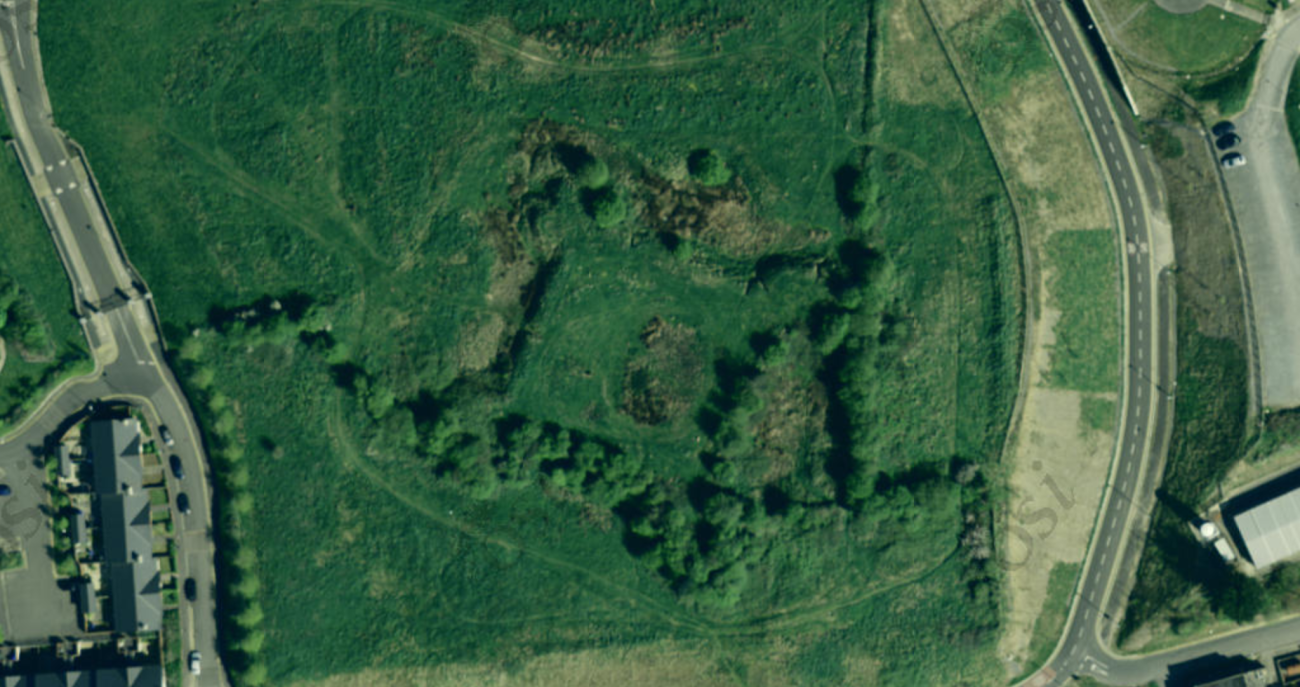
I was fortunate enough to participate in an archaeological excavation on the Green Fort in Sligo, Republic of Ireland, this summer. The site is a 17th century bastioned artillery fort. It was used periodically and underwent several periods of demolition and burning. When use ceased, was still visited up until the modern day. Over a thousand artifacts were found in the excavation, including stone tools, lead musket shot, and marker caps. My responsibilities at the excavation were largely physical, including excavating in the trench, cataloging finds, guiding groups, cleaning artifacts, and assisting in lab work. In addition to excavation based knowledge, I learned about the organization and facilitation of such a large-scale project, including learning about the intensive research and paperwork required, and bettered my skills in communication and working with a large, complex team.
It was wonderful to be able to experience something I had only read about in theory, archaeology, as well as participate in a practical expression of something that has been a long-time interest of mine. I have always been interested in the past, particularly in that which archaeology reveals. It is far more interesting to learn about that which was considered irrelevant to historical documents, where things like the diet or leisure time of people was not recorded, or to "hear" from people who did not have voices in history, whether that be through a lack of access or suppression from other parties. After all, so much of human existence is unreachable if all one can go off of is the written word.
The experience was greatly beneficial. I have been able to come to conclusions about what I wish to do in the archaeological field, and hope to have set out the beginnings of professional networking with the instructors, volunteers, and other assistants.