
Support
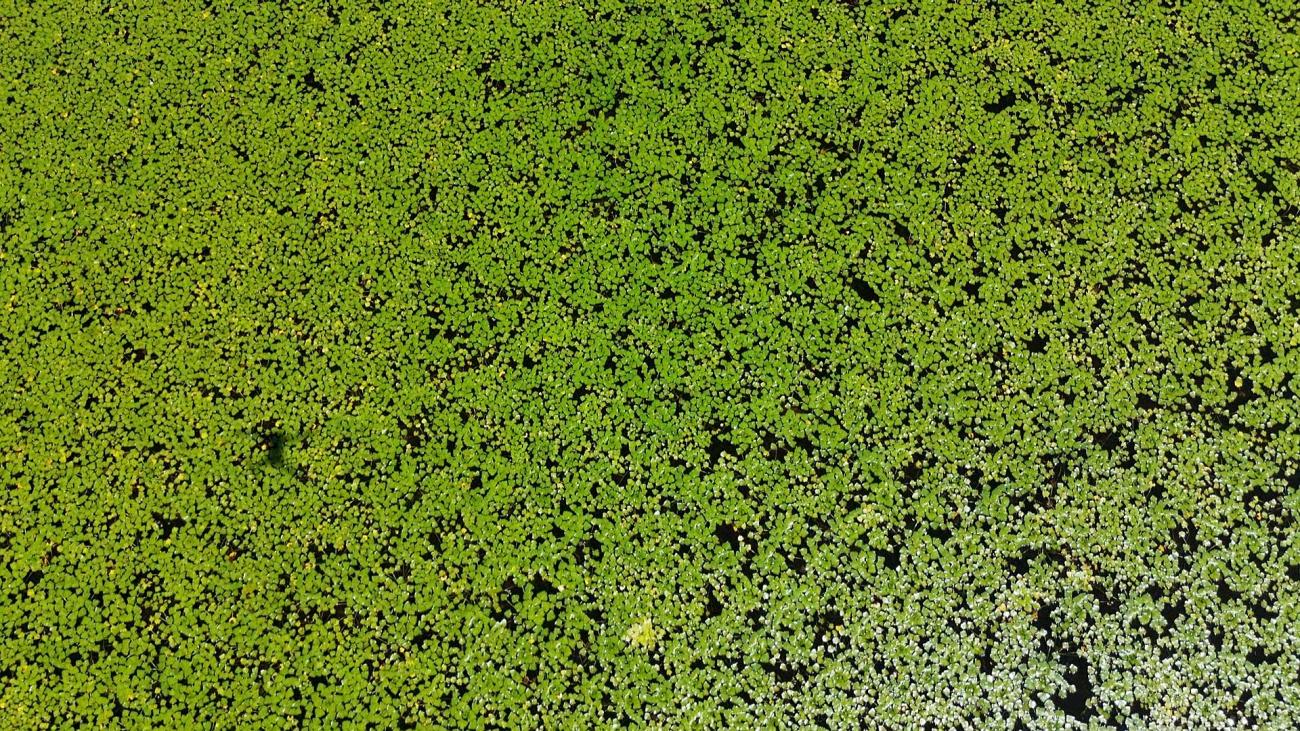
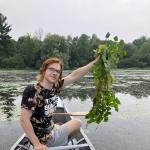
Water chestnut (Trapa natans) is an invasive aquatic plant that is a prevalent issue in certain St. Lawrence County waterways. The floating rosette of the plants grow huge and make it impossible for recreational fishing and boating to occur. Since these plants are so efficent at growing, they crowd out other submerged aquatic vegetation (SAV's), competing for light and space with natives. After being pulled or cut as a conservation effort, water chestnut grows back rapidly within a week, especially in shallow, eutrophic areas. This plants, when allowed to seed, grow up to twenty nuts per crown, with each individual plant having 3-4 crowns. This builds up a substantial seedbed in the sediment that furthers the spread of water chestnut. While bad for human recreation, water chestnut, based on my studies, does not necessarily hurt other ecological trophic levels. It does diminish native plant richness, but it also allows ample surfaces for epifauna and therefore young fish with this food surplus. These trophic interactions were expolored in this project through SAV richnesses, % invasive species per location, epifauna richnesses, epifauna biodiversity (Shannon-Wiener Index), and the prescence of young fish; comparing all of these factors between sites with native SAV's and sites with water chestnut dominance. While controling this invasion seems hopeless, water chestnut is not entirely bad and the continued efforts of mechanical pullers and the aid of community volunteers have and will contribute greatly to its supression.