

Support
Neurodegenerative diseases such as Alzheimer’s affect millions worldwide, with no known cure. These diseases are characterized by extensive neuronal loss, and despite there being multiple contributing factors to this loss, a phenomenon known as oxidative stress appears to be a key driver of pathology. Oxidative stress arises when there is an imbalance between the production and accumulation of reactive oxygen species (ROS) in cells and tissues, and the ability of a biological system to employ antioxidative strategies to detoxify these ROS. These ROS react indiscriminately with biomolecules, wreaking havoc within the cell if left unchecked, often resulting in cellular damage and consequent cellular death. As such, understanding the mechanisms behind oxidative stress constitutes an important step towards addressing neurodegeneration.
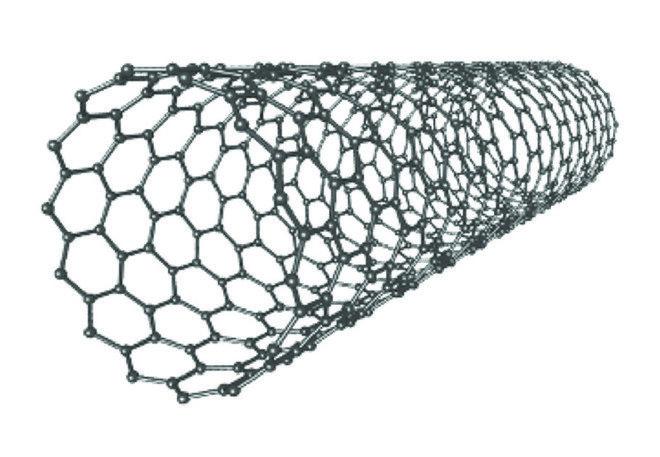
One of the more promising therapeutic avenues against neurodegeneration is the use of nanoparticles – structures with a diameter between 1 and 100 nm. This summer, under the mentorship of Dr. Estevez, we sought to explore the neuroprotective potential of carbon nanotubes (CNTs), a type of nanoparticle. CNTs possess various physicochemical properties that, in theory, will not only allow them to cross the blood-brain barrier, but also neutralize ROS within neuronal cells.
To assess the CNTs’ neuroprotective potential, we pre-treated HT22 cells (an immortalized neuronal cell line derived from murine hippocampal cells) with CNTs. This specific cell line is widely used in neurodegeneration research, making it a reliable tool for study. After pre-exposure to CNTs, the cells were exposed to glutamate (a small molecule that is the nervous system’s primary excitatory neurotransmitter) to induce oxidative stress. We then exposed the cells to a fluorescent stain that would give a measure of live cell count, with a greater fluorescence intensity corresponding to a higher live cell count.