Institutionalizing Olympic Legacy and its Tradeoffs


Support
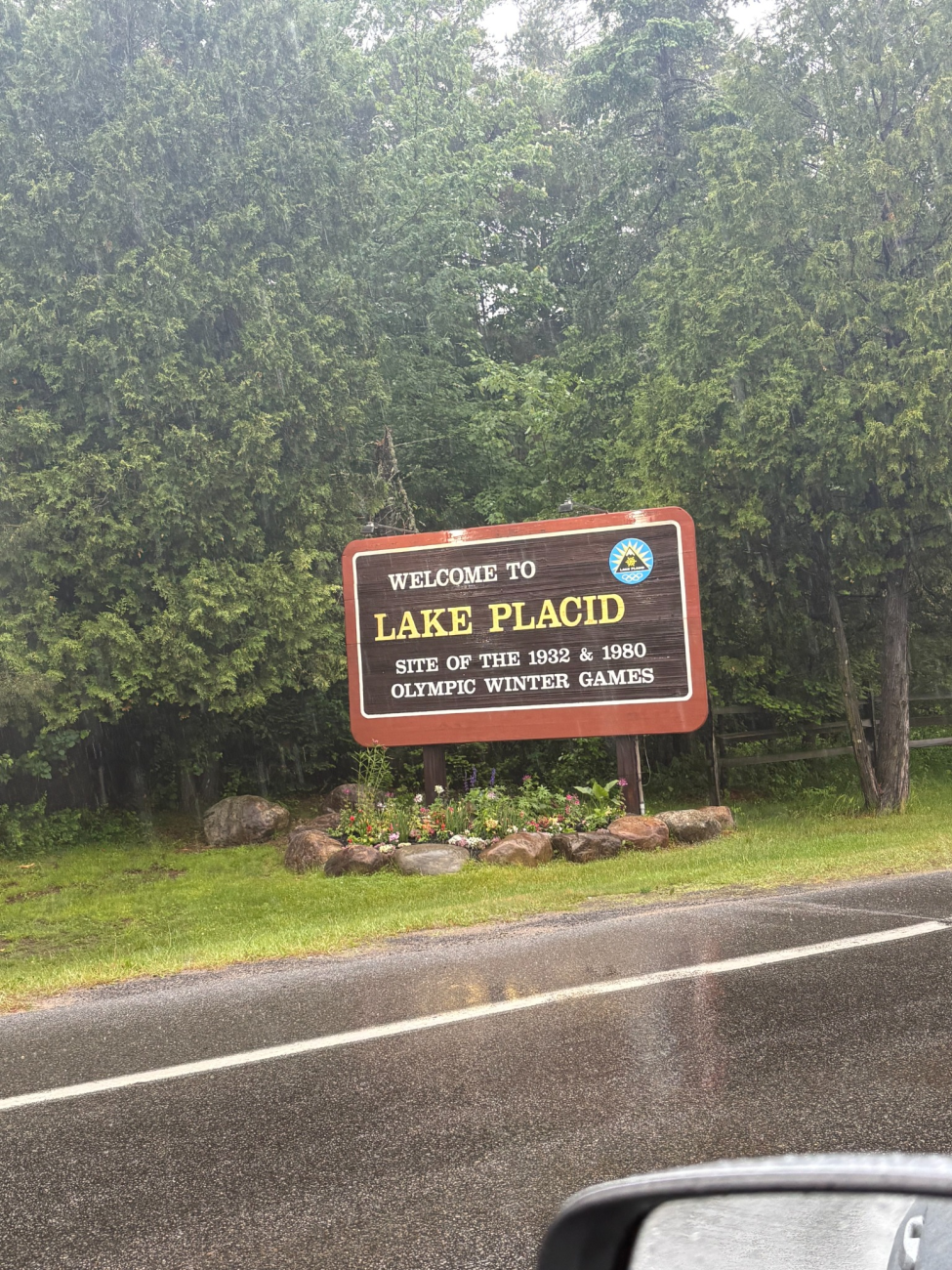
This project examines how Lake Placid transformed the 1932 and 1980 Olympic Winter Games into a lasting institutional and community legacy. Using archival research, secondary scholarship, and 13 interviews involving 18 participants, I studied how New York State support, the creation of ORDA, continued event programming, tourism, and Lake Placid’s preexisting winter-sport culture kept its Olympic venues active long after 1980. The project also considers the costs of that success, including housing shortages, workforce strain, congestion, tourism dependence, and pressure on local government. Ultimately, I argue that Lake Placid’s legacy did not happen automatically. It has been continuously managed, funded, and renewed, making the village both an unusual Olympic success story and a useful case for understanding the limits of small-community hosting.