
Support
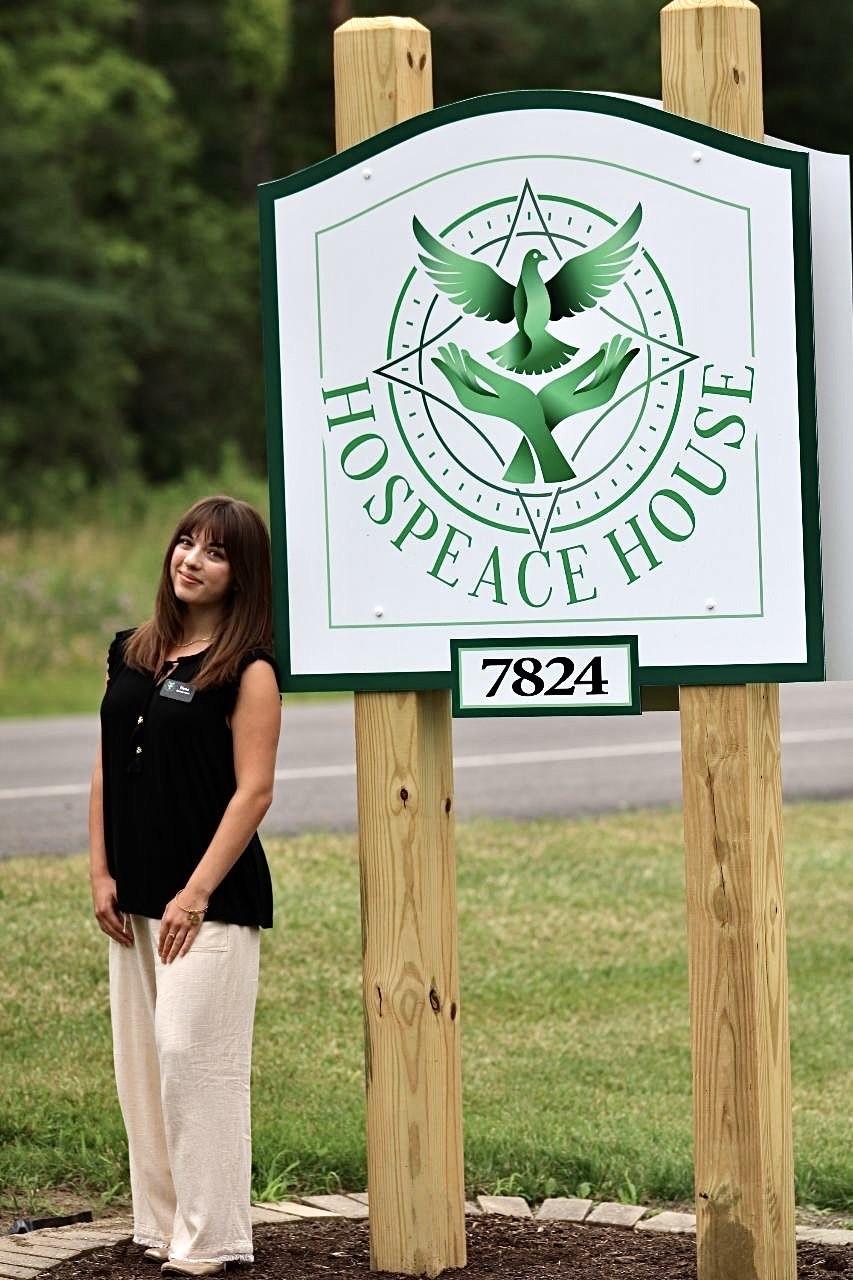
The Hospeace House is a nonprofit, two-bed comfort care home in Naples, New York. As a student intern, I was given the opportunity to undergo training that allowed me to take shifts as a primary caregiver for terminally ill residents. In this role, it has been my responsibility to keep residents clean, safe, and comfortable.
In respect to that principle, I have learned the procedure for providing different kinds of personal care. For example, residents would be repositioned every two hours for the sake of preventing pressure ulcers, lotion would be used after bathing to discourage skin breakdown, and oral care would relieve discomfort caused by mouth-breathing.
When conducting hygienic tasks such as these, the preservation of a person’s dignity is of the utmost importance. It should remain a priority in all instances where one is assisting with activities of daily living. This might mean referring differently to certain undergarments during dressing, or protective clothing during mealtimes.
I was also thoroughly trained to administer routine and as-needed, or PRN medication. Observing a resident’s decline on a daily basis enabled me to pick up on minute details that revealed a resident’s status in their journey; I read facial expressions during sleep, listened to changes in breathing patterns, and monitored urine output for signs that a resident was nearing their final twenty-four hours. Having this ability to recognize such nuances allowed me to more intentionally provide care and offer support to families.
In order to fully support terminally ill residents and their loved ones, caretakers must acknowledge and cater towards their emotional needs. For this, I attended a presentation on soft skills, or actions that go beyond residential care and are often not assumed within regular training. It is necessary to understand the values and expectations of a person nearing the end of their life in order to serve them productively.