Learning Through Experience At a Small-Scale And Community Driven Organic Farm
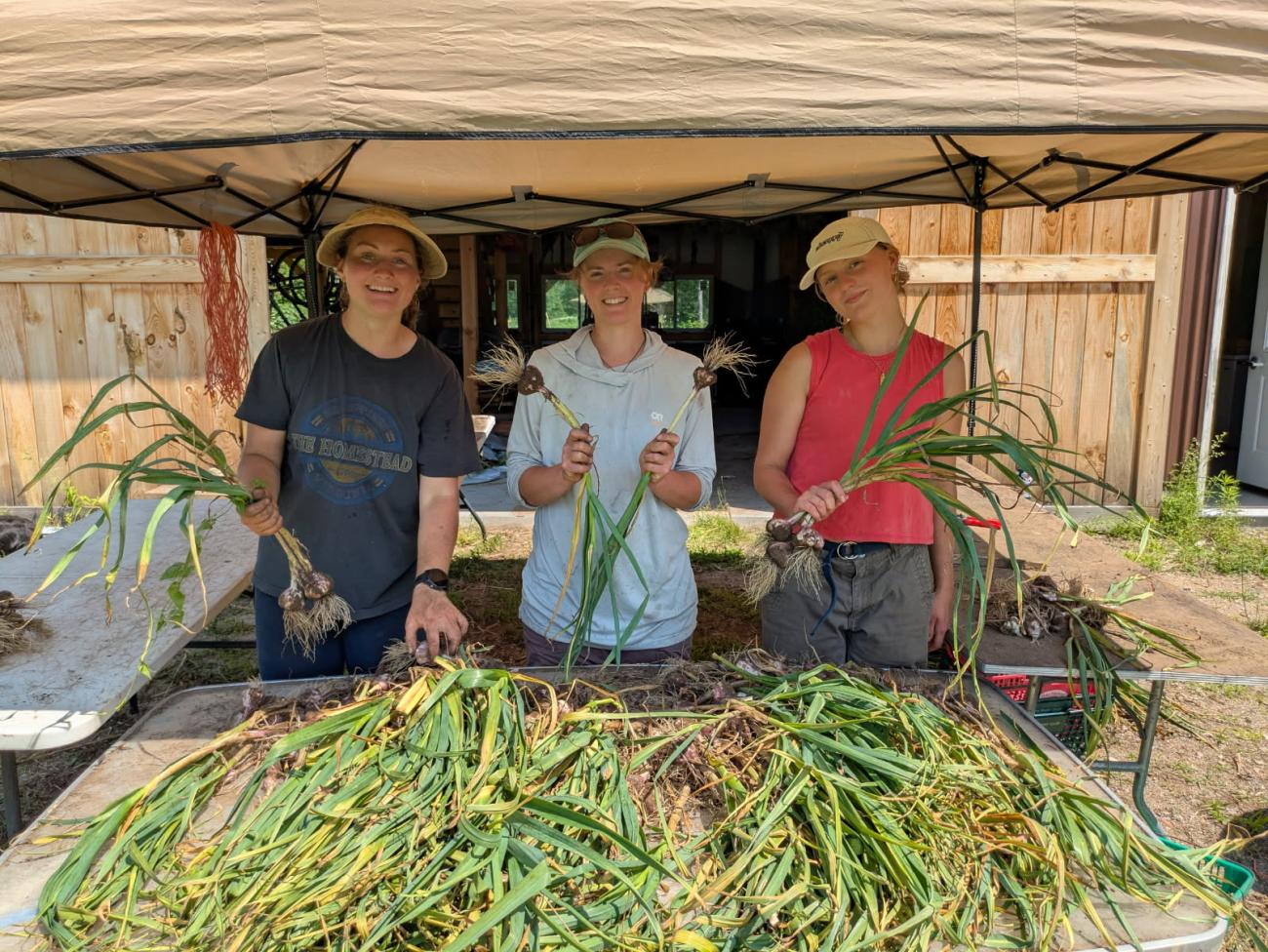
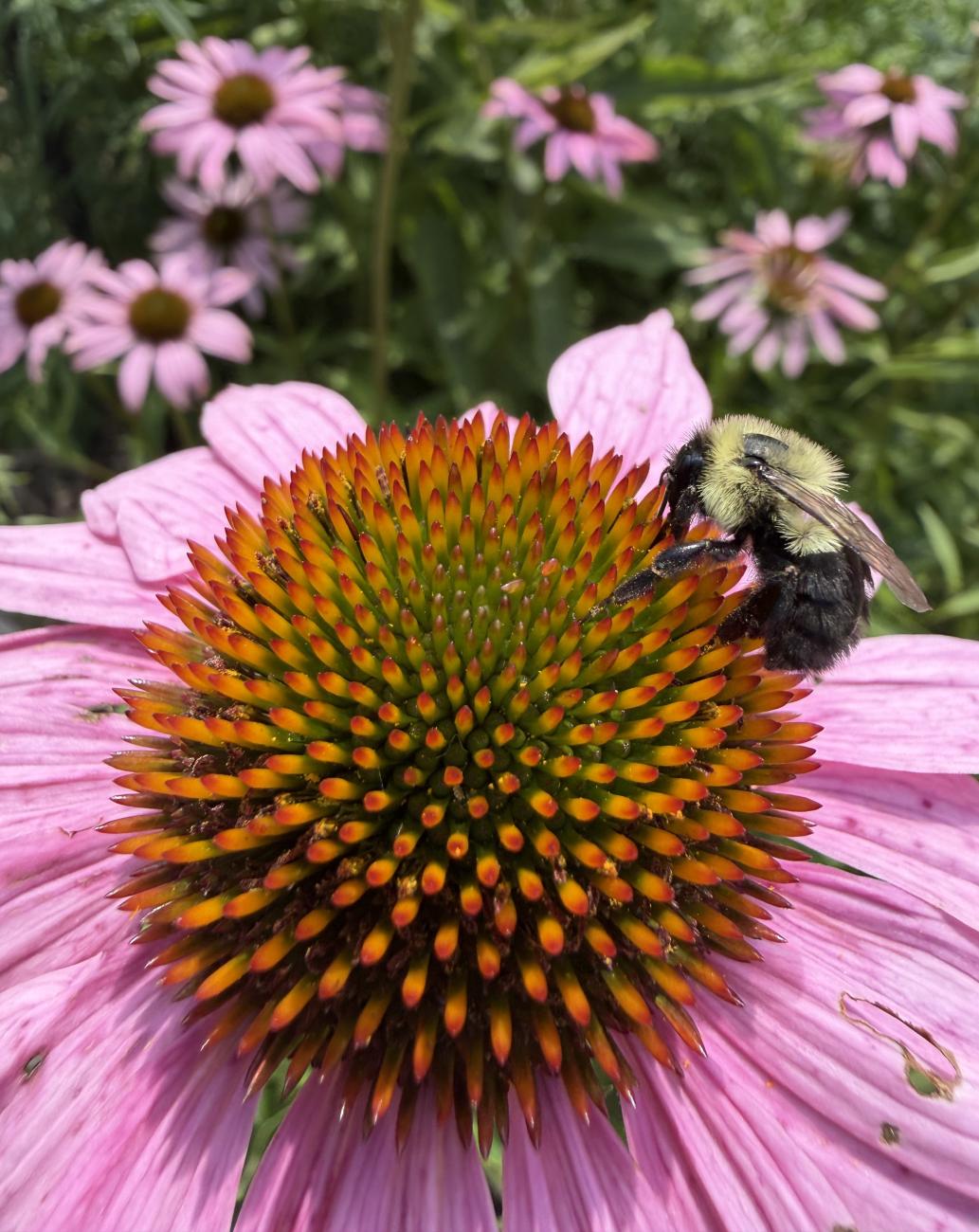
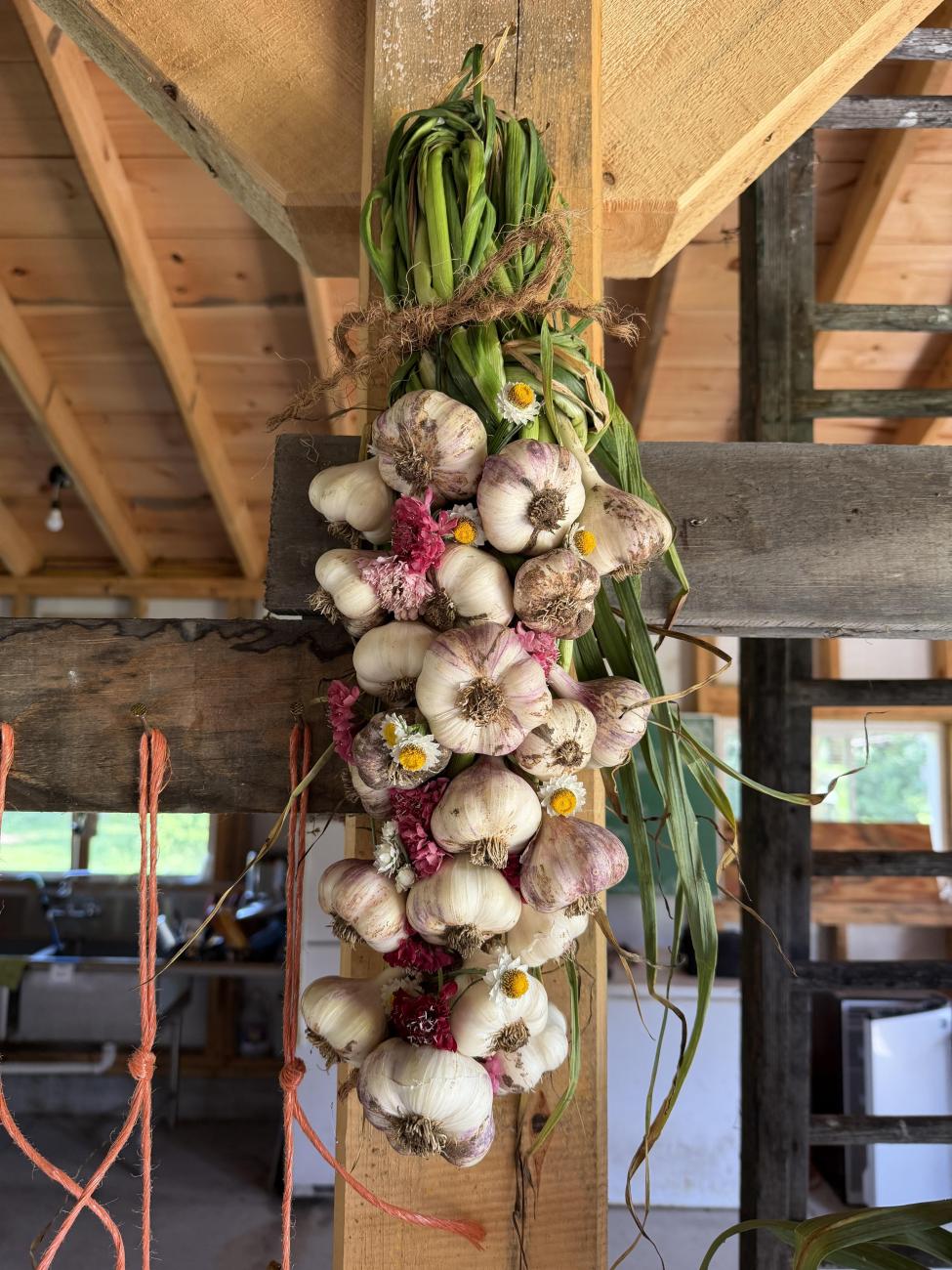
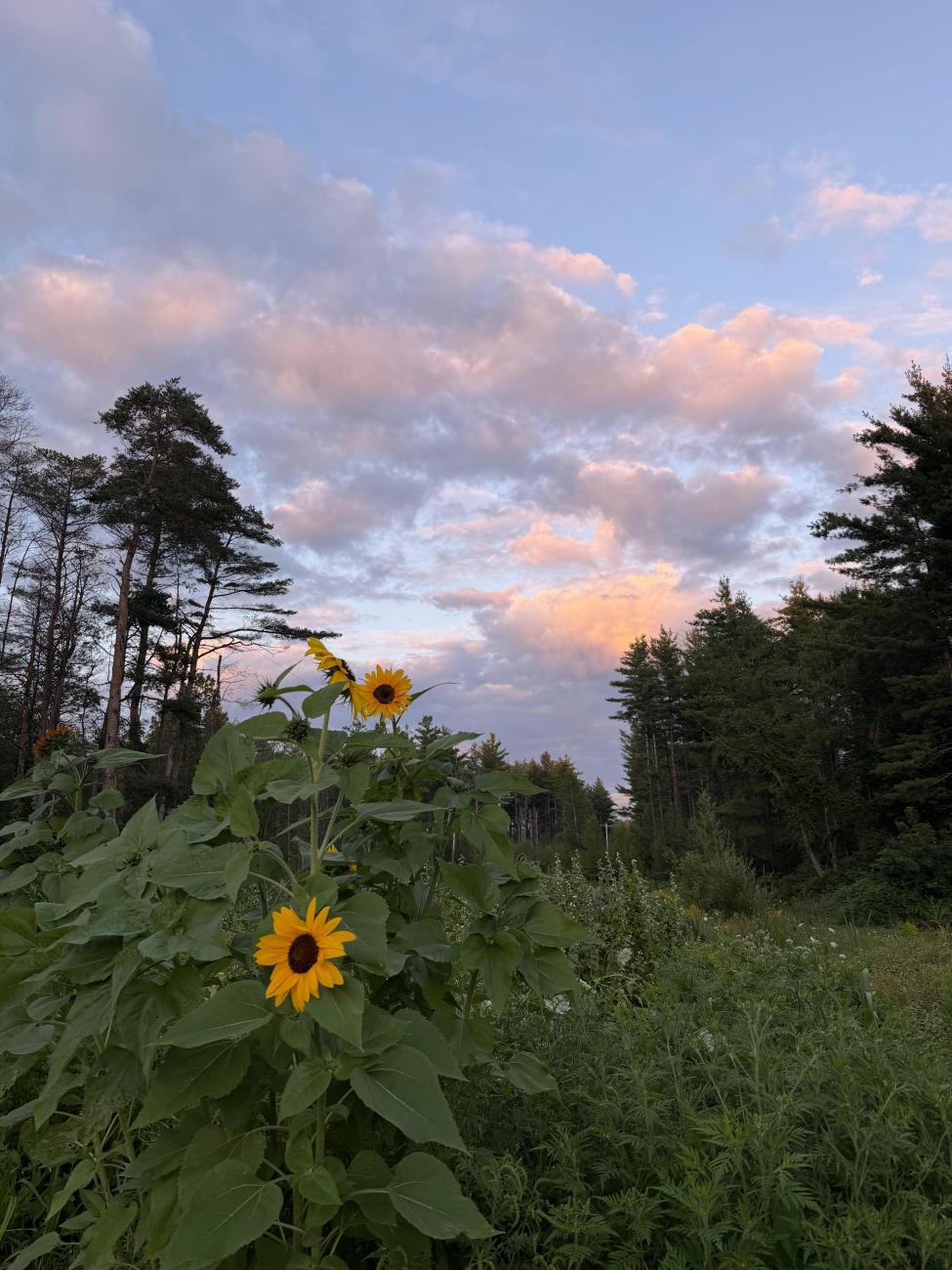

This past summer, I worked as an apprentice at littleGrasse Foodworks, a small-scale and community driven organic farm a few minutes down the road from campus here in Canton. I was first introduced to littleGrasse when I was a sophomore at St. Lawrence. As a student in Professor Aaron Iverson's Sustainable Agriculture course in Spring 2024, I had the opportunity to spend a few hours each week at littleGrasse as part of a Community Based Learning (CBL) component of the class. This experience solidified my interest in regenerative agriculture, and showed me the role it can play in building resiliency within a community through promoting a localized food system.
While finishing up my final semester of my undergraduate career in the Spring, I felt sure that returning to littleGrasse for the summer would be a invaluable experience as I transition into my adult life and career. My gut feeling did not steer me wrong, and I am grateful for the opportunity to pursue this apprenticeship that was made possible by the SLU Fellowship Program and funding from the Alumni Executive Council Endowment for Internships and Experiential Learning. During my time living and working at littleGrasse, I expanded upon my knowledge of regenerative agriculture, as well as deepened my understanding of community supported agriculture (CSA) models. I implemented regenerative pest management, soil maintenance and gardening practices each day, and saw first hand how growing food can be done in a manner that produces abundance while working in harmony with nature rather than against it. I experienced the daily life of living in a largely closed-loop homestead environment, which taught me the value of conscious consumption and waste management as a deeply human responsibility to the environment, rather than something that should be (quite literally) flushed away.
Not only did I build upon my previous learning as an Environmental Studies student, I also learned more about myself and my own relationship with the environment. Part of the farm stay experience as a littleGrasse apprentice entailed cooking dinner for farm residents, including myself and my two fellow apprentices, as well as Bob, Flip and Carolyn twice a week. Cooking with ingredients harvested by myself directly from the gardens that I worked to maintain each day opened my eyes to how profound human's relationship with their food really is. I learned that, contrary to the disjointed and hollowed-out foodscape that we are subjected to in the modern-day, we must nurture our food and the land that sustains it as much as it nurtures us. I also learned that eating seasonally (meaning eating what is available for harvest given the time of year) has a long list of benefits, including greater nutritional value, significantly better flavor, texture, appearance, and an appreciation for fresh produce in its finest and most natural state.
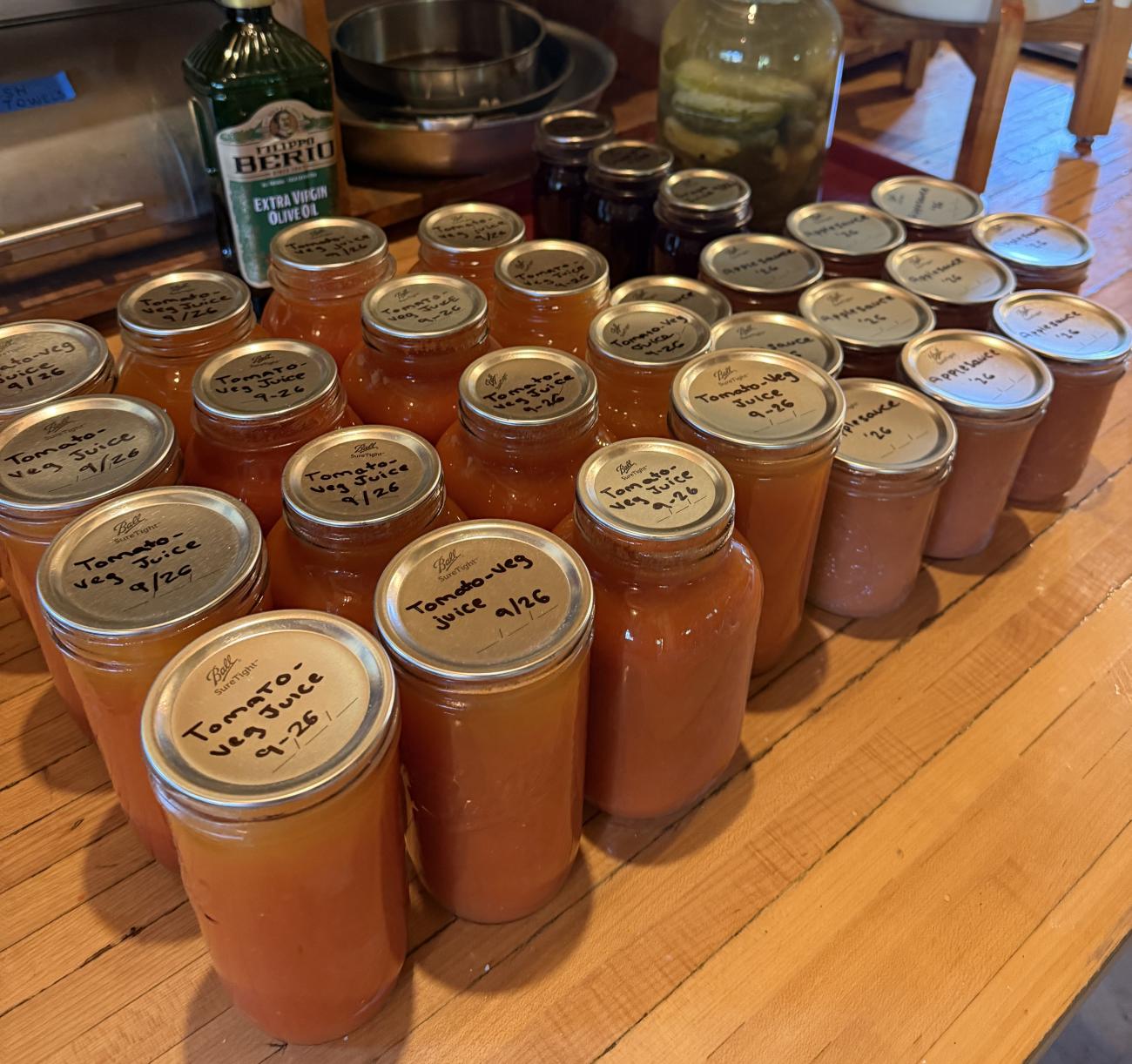
Beyond developing my love for cooking and vegetables more than I could have imagined possible, my time at littleGrasse also taught me how to find comfort in discomfort. Hours of working in the hot sun with dirt sticking to sweat could be easily amended by a quick jump in the river, no shower necessary. Many jumps in the river later, I still feel more comfortable in that dark murky water than in a chlorine filled swimming pool. I also have a renewed appreciation for doing things that appear tedious, but actually save labor and strife in the long-run. One of my favorite tasks that would fall into this category by typical standards was canning and preserving. I learned fermentation, pickling, canning and other preservation techniques that keep fruits and veggies tasting their best and safe to consume long enough to last until the next time they're in season. I am shocked that this is not common practice in every household. Learning preservation techniques feels like being let in on a well-kept secret, and is a skill that I hope to carry into my own life in the future.
Finally, working as a farm apprentice with littleGrasse has taught me that my happiness and health cannot be bought, but rather are acquired through making the daily choice to nurture myself and the environment that provides all that is necessary for life. I hope to share this message with others that I may encounter in my future career, as well as take my knowledge of regenerative agriculture, CSA and low-impact living and implement it elsewhere in a manner that promotes a more sustainable and equitable food system for all.