

Support
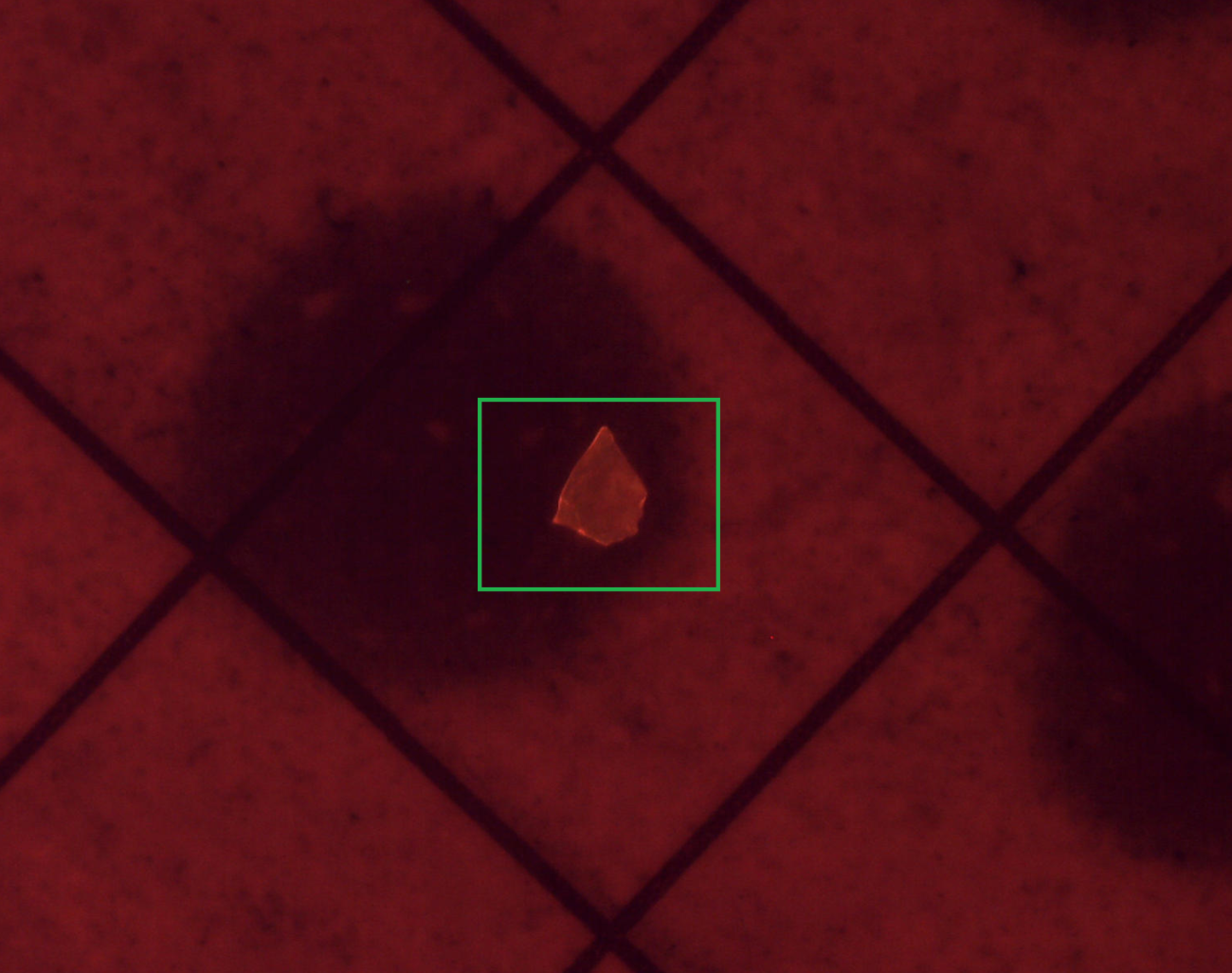
Microplastics are plastic particles smaller than 5mm that have become widespread pollutants in lakes, rivers, and oceans around the world. Although scientists know these particles are common in aquatic environments, much less is understood about how they are distributed in freshwater systems or how they move into aquatic organisms.
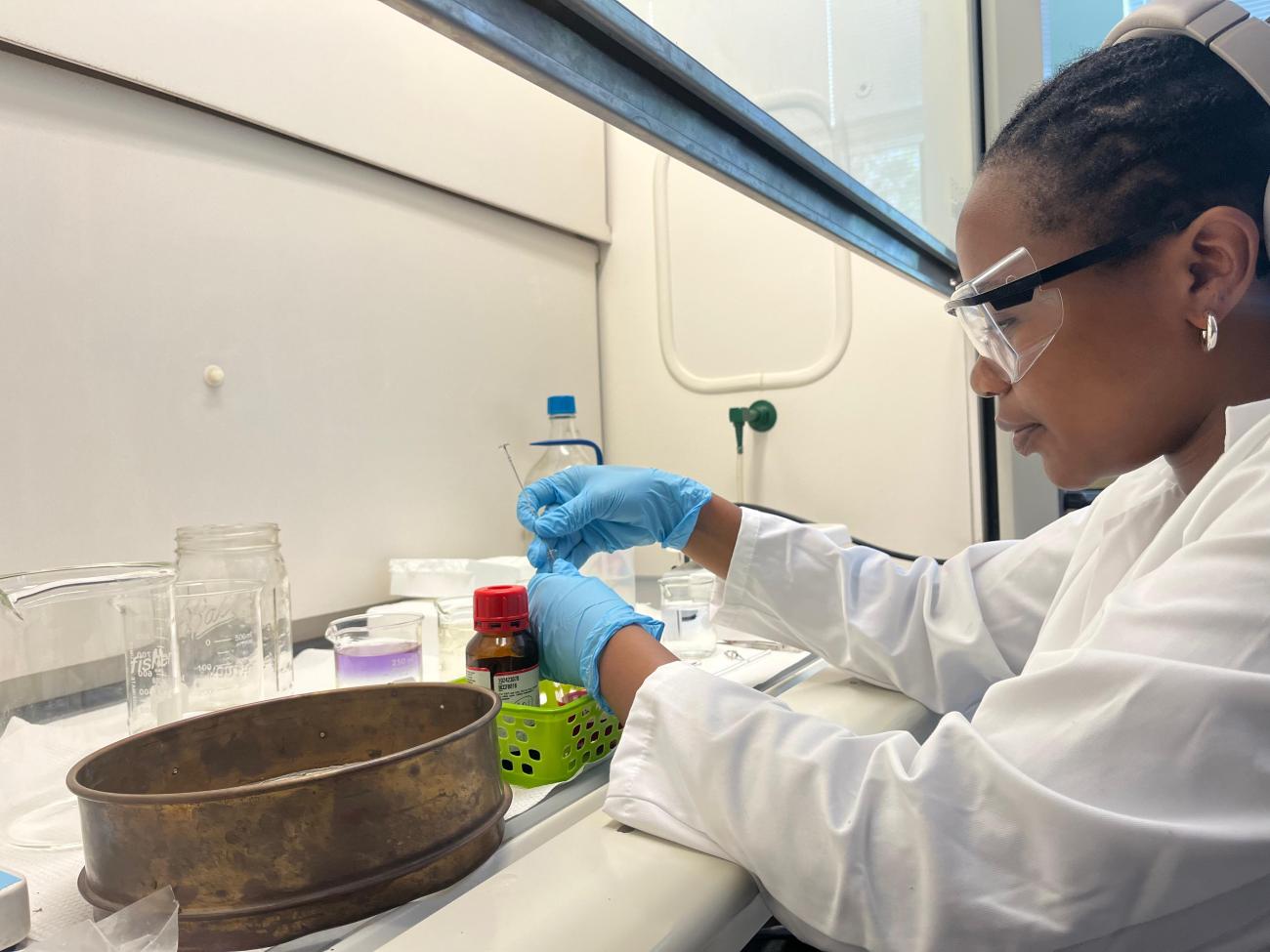
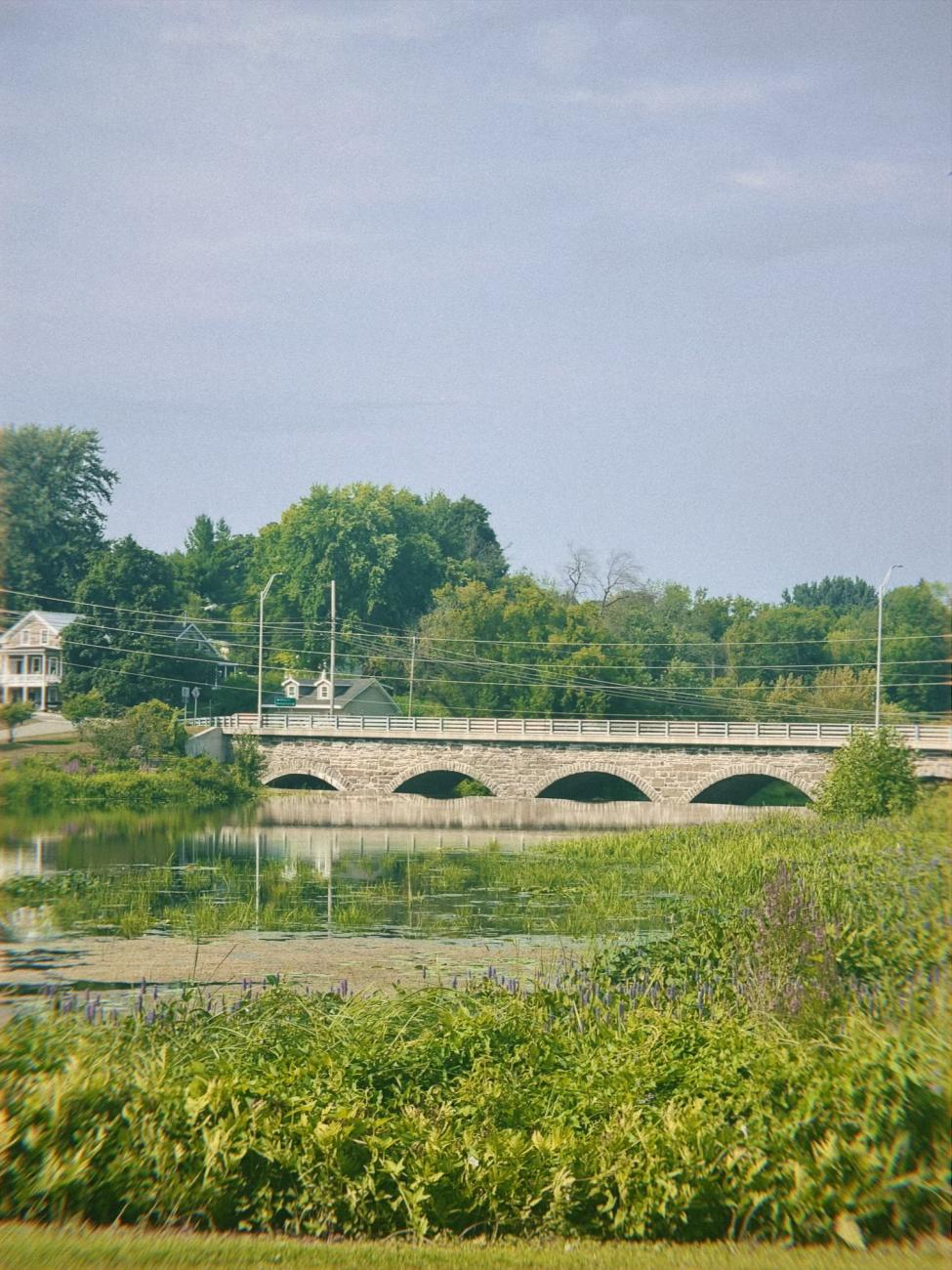
This research investigates microplastic pollution across fifteen lakes and rivers in northern New York, spanning the Adirondack region and the St. Lawrence River watershed. By collecting water samples and measuring environmental conditions such as water temperature, dissolved oxygen, pH, and current velocity, I am examining how factors like land use and surrounding development influence the abundance of microplastics. In addition to studying the water itself, I analyze freshwater clams collected from the same locations. Because clams continuously filter water as they feed, they can accumulate microplastics over time, providing insight into how plastic pollution moves through freshwater ecosystems.
Understanding where microplastics are most abundant and the environmental conditions associated with them can help scientists and communities better understand freshwater pollution and inform future conservation and management efforts.